The Spiritual Significance of Diwali: Festival of Inner Light
Discover the deeper meaning of Diwali beyond the fireworks and sweets. Learn how this festival symbolizes the victory of knowledge over ignorance and light over darkness.
Article
Diwali, the Festival of Lights, is one of the most widely celebrated festivals in the Vedic tradition. While many associate Diwali with fireworks and sweets, the festival carries a profound spiritual significance that goes far beyond the external celebrations.
The Story Behind Diwali
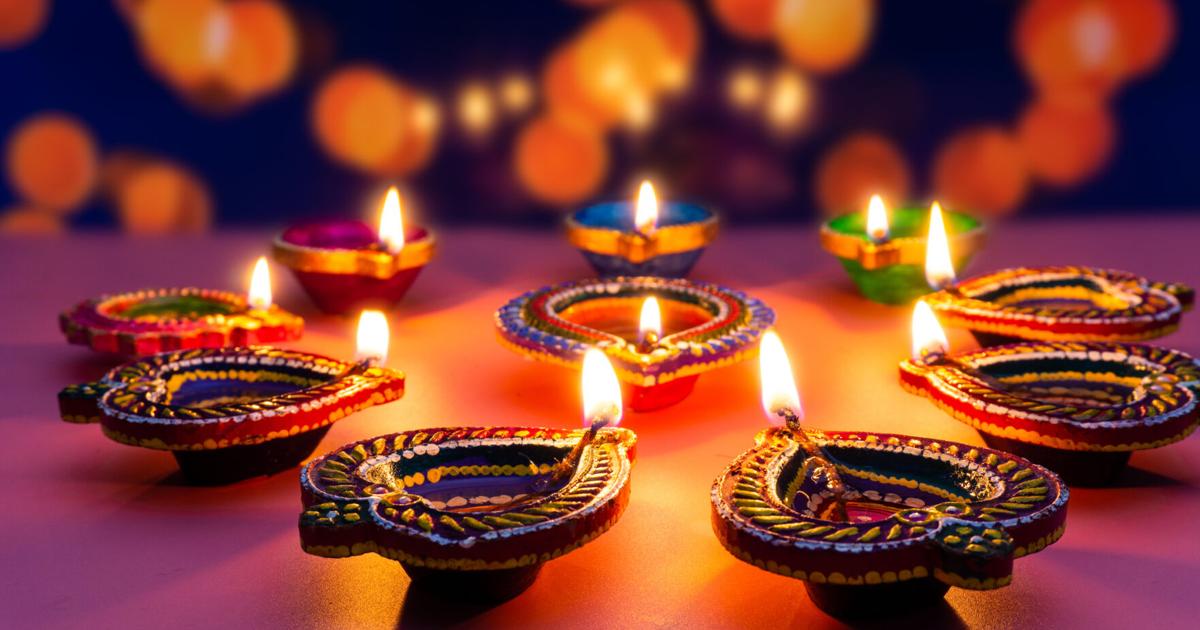
Diwali celebrates the return of Lord Rama to Ayodhya after 14 years of exile, during which He defeated the demon king Ravana. The citizens of Ayodhya lit rows of oil lamps (deepas) to welcome their beloved king, symbolizing the triumph of righteousness over evil.
Deeper Spiritual Meaning
Beyond the historical narrative, Diwali represents the inner journey from darkness to light. The lamps we light externally are a reminder to ignite the lamp of knowledge within our hearts, dispelling the darkness of ignorance and material attachment.
The Vaishnava Perspective
In the Vaishnava tradition, Diwali also commemorates the pastime of Lord Krishna lifting Govardhan Hill to protect the residents of Vrindavan. This event, known as Govardhan Puja, reminds us of the Lord's loving protection of His devotees.
Celebrating at Krishna Heritage Center
At our temple, we celebrate Diwali with special aarti, kirtan, Govardhan Puja, and a magnificent annakut (mountain of food) offering. The temple is beautifully decorated with thousands of lights, creating a truly divine atmosphere.
"The Supreme Lord is situated in everyone's heart, and is directing the wanderings of all living entities. When one surrenders unto Him, He dispels the darkness within the heart." - Bhagavad Gita 18.61
How You Can Celebrate
Join us at the temple for the complete Diwali experience, or celebrate at home by lighting a lamp, chanting the holy names, and offering prayers for spiritual illumination.